Why 2026’s Big Interior Shift Is Toward Warm Minimalism - And How to Make Your Home Feel Textured, Cozy & Lived-In
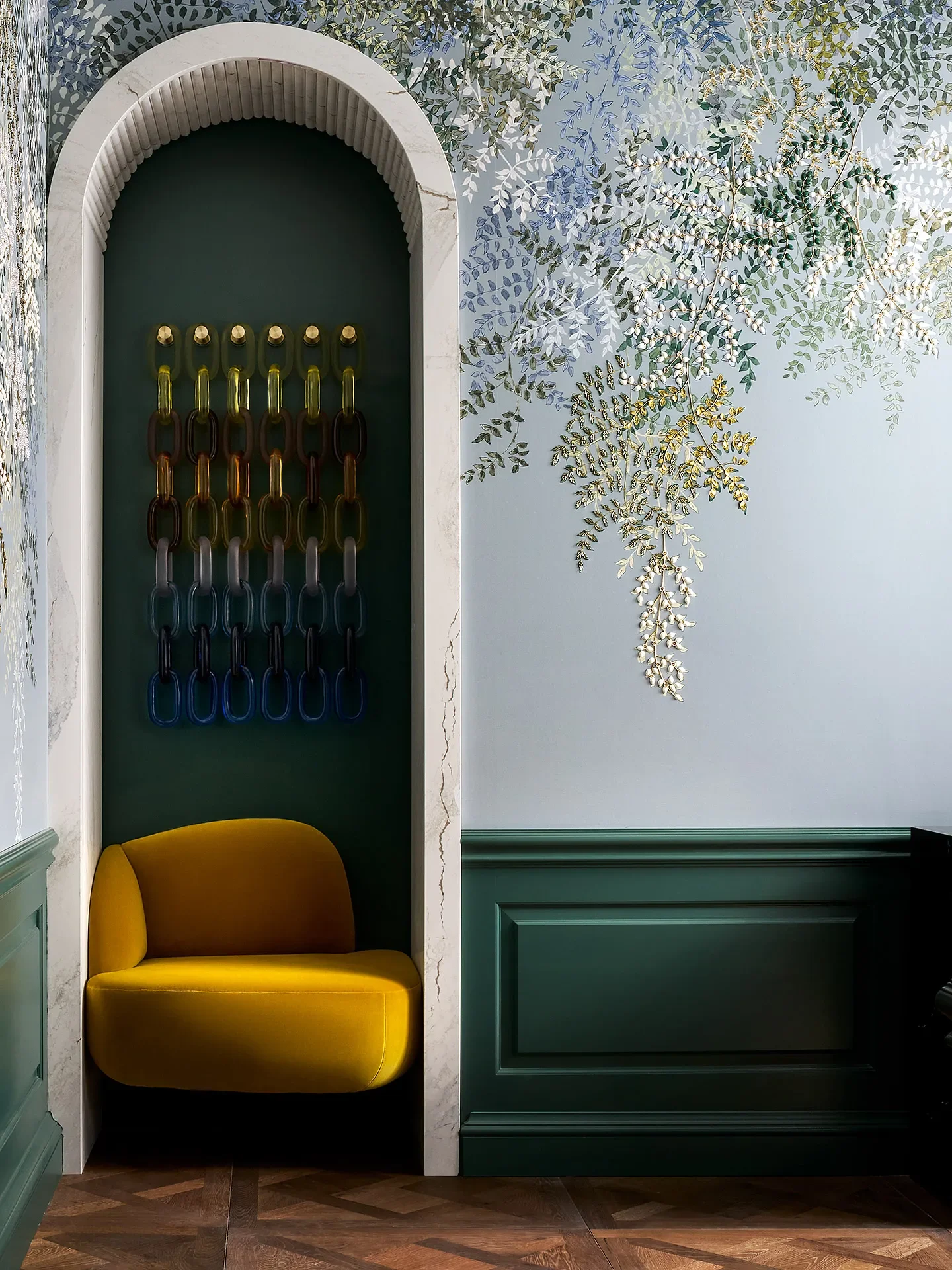
Warm Minimalism
Minimalism isn’t leaving, but it is softening. Across design media, 2026 is shaping up to be the year people finally pivot away from stark, icy interiors and into something warmer, more grounded, and infinitely more livable.
Designers are calling it “warm minimalism”: a move toward softer palettes, natural materials, tactile fabrics, and furniture with shape and soul. It’s still clean, but not cold. Minimal, but not sterile. Calm, but not empty.
And unlike past trends that demanded a full renovation or a personality transplant, this one seamlessly fits real life, families, mess, comfort, imperfect corners and all.
Below is what’s driving this shift, what design studios are predicting, and exactly how to bring the look home.
Photo credits: A Lala Curio wall covering wrapped the first floor hall and stairwell by Lauren Collander Interiors in the 2025 Lake Forest Showhouse. Photo: Ryan McDonald, Architectural Digest
Why People Are Done With Cold Minimalism
For nearly a decade, interiors leaned toward icy gray palettes, high-gloss surfaces, and ultra-minimal rooms that looked more like galleries than homes. But people have started questioning whether “perfect” spaces actually feel good to live in.
A growing number of designers, from The Spruce to Homes & Gardens, point out that the prevailing cool-gray minimalism just isn’t emotionally resonant anymore. People want homes that feel human. Soft. Lived-in.
Warm minimalism is the natural response:
Neutral bases, but warmer tones
Clean lines, but softened edges
Natural light, but layered with texture
Calm spaces, but with personality
This isn’t a backlash against minimalism, it’s a reboot that actually feels good.
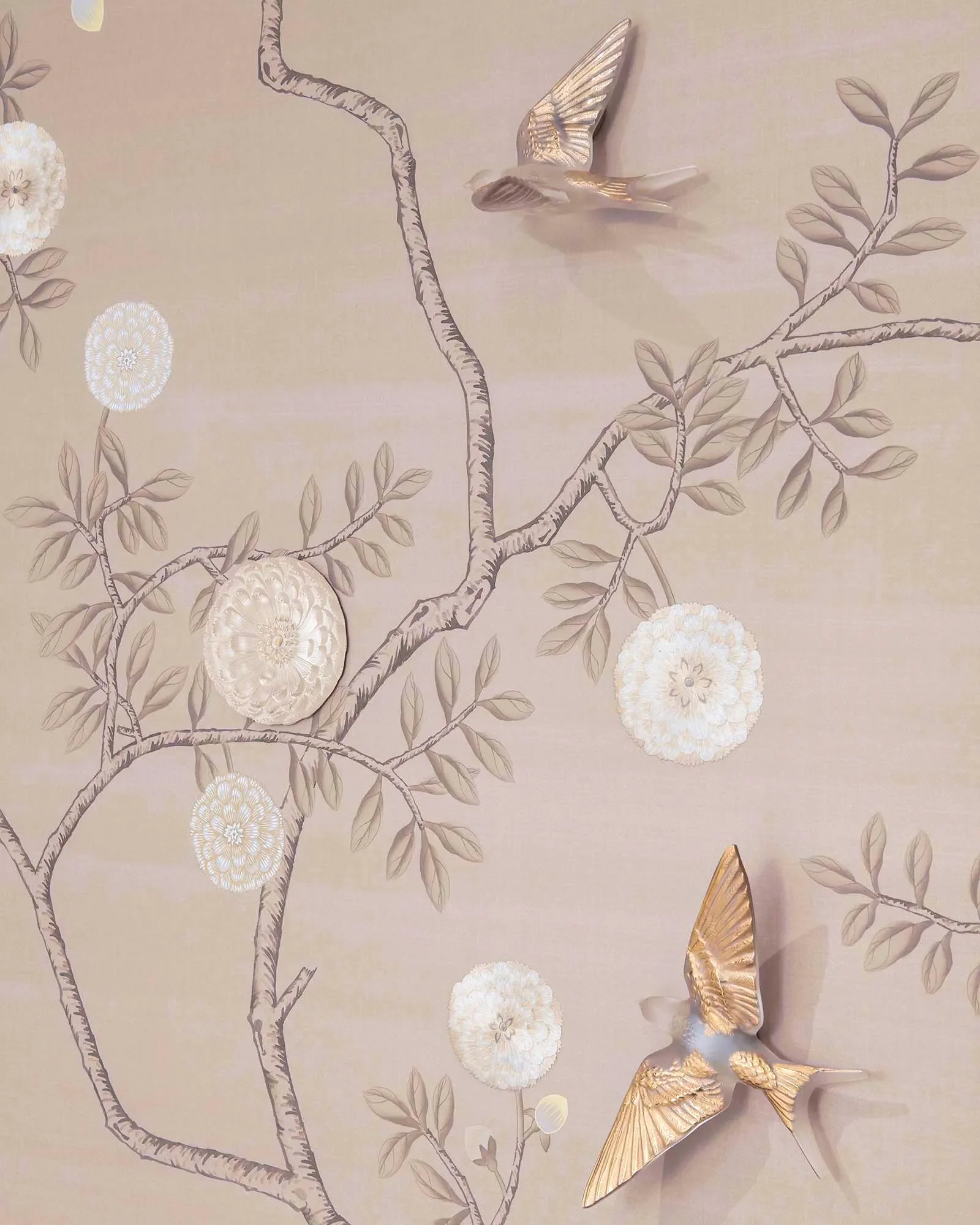
Fromental’s Hirondelles silk wallcovering with Lalique features crystal swallows and dahlias. Photo: David Jensen, Architectural Digest
The Big 2026 Trend: Warm Minimalism With Texture, Wood & Character
Here are the recurring themes across the best design-trend reporting for 2026:
Natural materials take center stage
Think warm wood, linen, rattan, ceramic, clay, stone, patinaed metals. Designers say we’re craving tactility, things that feel good to touch and age well over time.
Earthy colors are replacing cool neutrals:
2026 palettes include:
Soft beige, sand, mushroom, oat
Chocolate brown and deeper wood tones
Olive green and muted moss
Warm clay, terracotta, umber
These tones look good in natural light and create a sense of grounded calm.
Organic, curved furniture is in
Straight lines aren’t out, but people want balance: curves, rounded corners, sculptural silhouettes. This is showing up in sofas, accent chairs, tables, ottomans, lighting, and mirrors.
Imperfection + craftsmanship > mass-produced gloss
Architectural Digest’s designers are forecasting a surge in hand-crafted, artisanal, or mixed-material pieces — furniture that looks like a human made it, not a machine.
This is also where vintage, patina finishes, and natural materials thrive.
What This Shift Really Means: Homes Are Becoming “Human Spaces” Again
Across publications, everyone’s saying the same thing: People are tired of homes that feel like sets.
Warm minimalism is about a feeling — calm, grounded, personal.
It’s not designed around trends or a Pinterest mood board. It’s designed around how you live:
cozy evenings
soft corners
sunlight on natural wood
linen that wrinkles (but beautifully)
rooms that welcome you, not intimidate you
As Vogue put it, the future is “restorative interiors” that support wellness and comfort rather than perfection.
How to Bring Warm Minimalism Into Your Home (Without Starting Over)
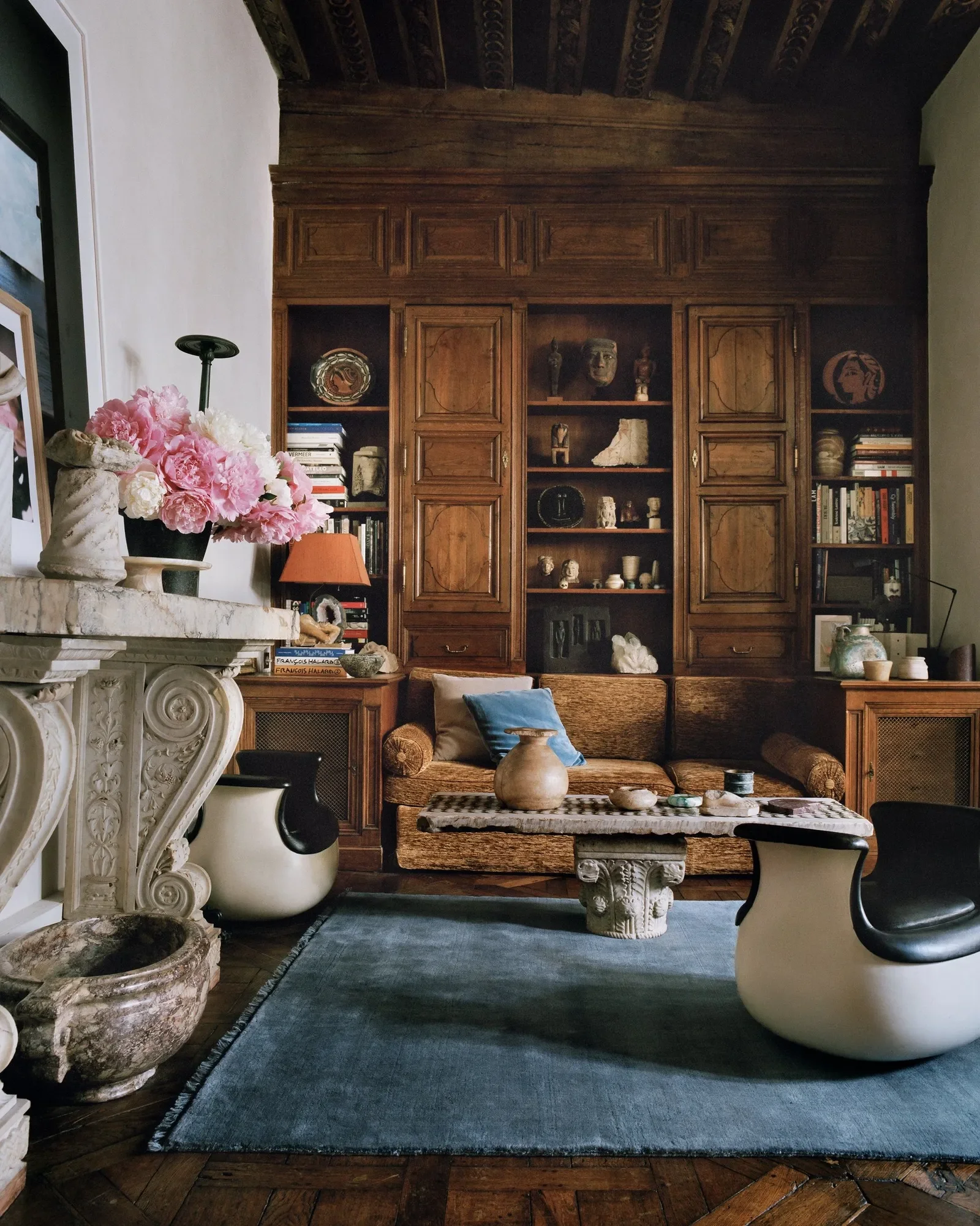
Photo: Nordic Knots, Vogue
This trend is wonderfully flexible. You don’t need a full redo — just a few shifts in tone, material, and texture.
Start with a warm neutral base
Instead of stark white or icy gray, aim for:
creamy white
soft beige
mushroom
warm greige
light taupe
These tones instantly make a room feel grounded and cozy.
Layer tactile textures
This is where the shift really happens.
Try combinations like:
Linen + cotton
Worn wood + matte metal
Ceramic + rattan
Wool + textured rugs
Velvet + stone
Even one or two layers make a huge difference.
Choose furniture with shape and soul
Swap boxy pieces for:
round-edge wood tables
curved accent chairs
soft sofas with natural fabrics
sculptural lamps
Think “inviting,” not “sharp.”
Add earthy accent colors
Olive greens, warm browns, terracotta, muted blues. A pillow, blanket, rug, or single accent chair is enough to shift the whole room.
Mix old + new
Vintage or vintage-inspired = instant character. It also prevents warm minimalism from feeling too flat.
What to Stop Doing (If You Want Your Home to Feel 2026, Not 2018)
Based on cross-publication consensus:
Stop relying on cold grays as your only neutral
Avoid glossy, overly polished furniture
Skip mass-produced decor that has no weight or warmth
Don’t match everything, too coordinated = too sterile
Limit the “empty room” aesthetic, leave negative space, but use it purposefully
2026 minimalism is balanced, not bare.
Shop the Warm Minimalist Look
Warm Textiles
Storage With Texture
Cozy Decor + Accents
Living-Made-Simple Items
Floor robot (great for maintaining light floors)
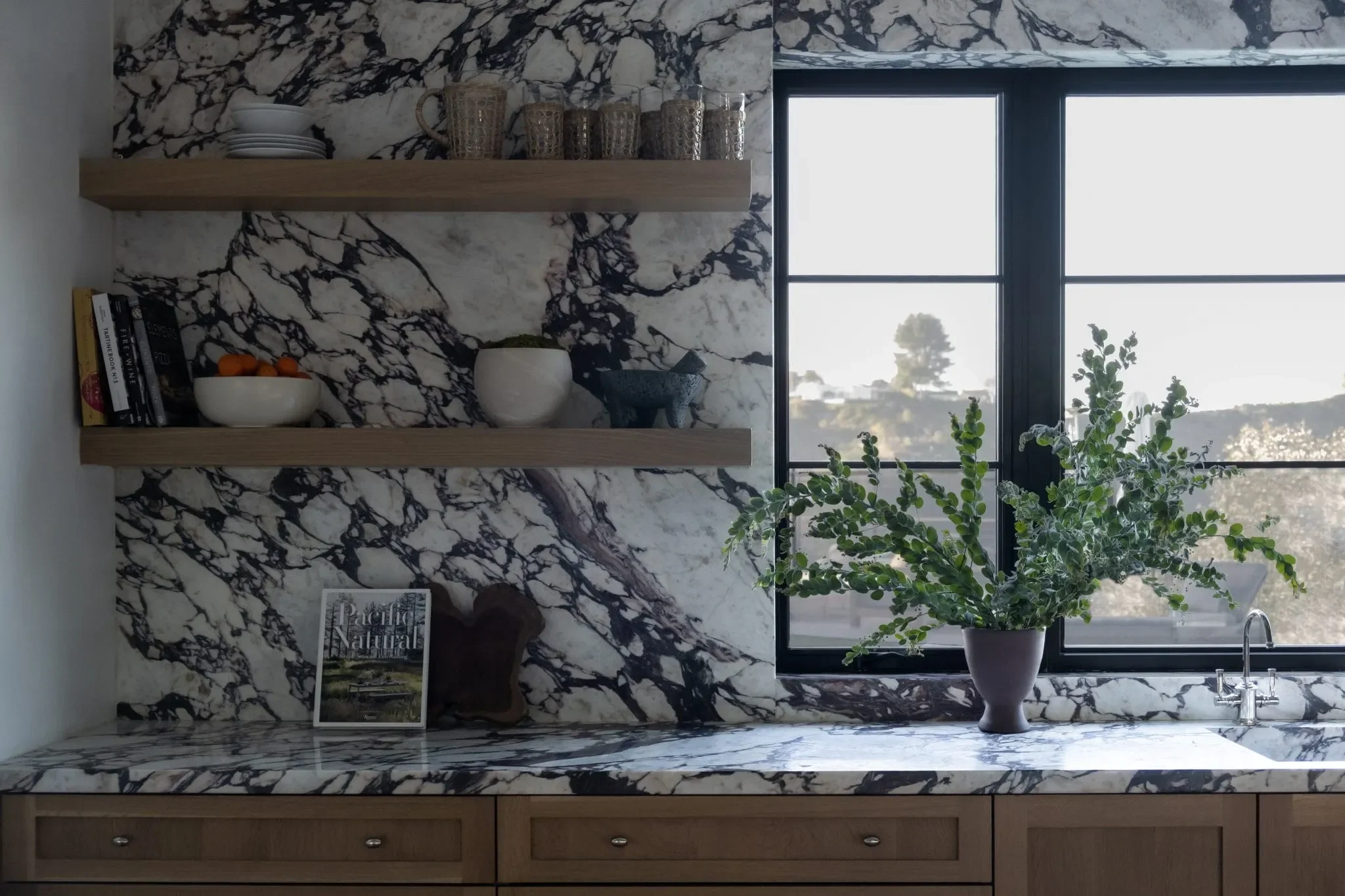
The Future of Minimalism Is Warm, Personal & Grounded
As 2026 shapes up, minimalism isn’t disappearing, it’s finally becoming livable.
Warm minimalism offers the best of both worlds:
calm visual clarity
the softness and texture real homes need
materials that feel good to touch and age well
color palettes that comfort rather than sterilize
It’s modern, but human. Clean, but cozy. Minimal, but full of soul.
And the beauty is: you don’t need a renovation to get there. Just a few thoughtful choices — natural materials, layered texture, curated furniture, and color — are enough to shift your space into the 2026 mood.
This post contains affiliate links. If you purchase through the link above, I may earn a small commission at no additional cost to you.
